24/7 Live Customer Service
CALL OR TEXT (225) 261-4198
Pest Control for Warehouses and Industrial Facilities
In Baton Rouge, LA
Warehouses and industrial facilities move fast, which means pest problems can spread faster than most teams expect. One unnoticed rodent trail along a racking line, one overlooked gap at a dock door, or one break room spill that never gets fully cleaned can turn into a repeat issue that drains time, inventory, and trust. Good pest control in these environments is not about “spraying and hoping,” because the real goal is to protect operations while keeping people safe and your facility inspection-ready. Bayou Cajun Pest Control helps warehouses, distribution centers, and industrial sites stay ahead of pests with a plan built for high-traffic buildings, constant shipments, and real-world schedules. The approach stays practical, the communication stays clear, and the results stay focused on what matters most: protecting product, equipment, and uptime.
Why Warehouses Need Specialized Pest Control
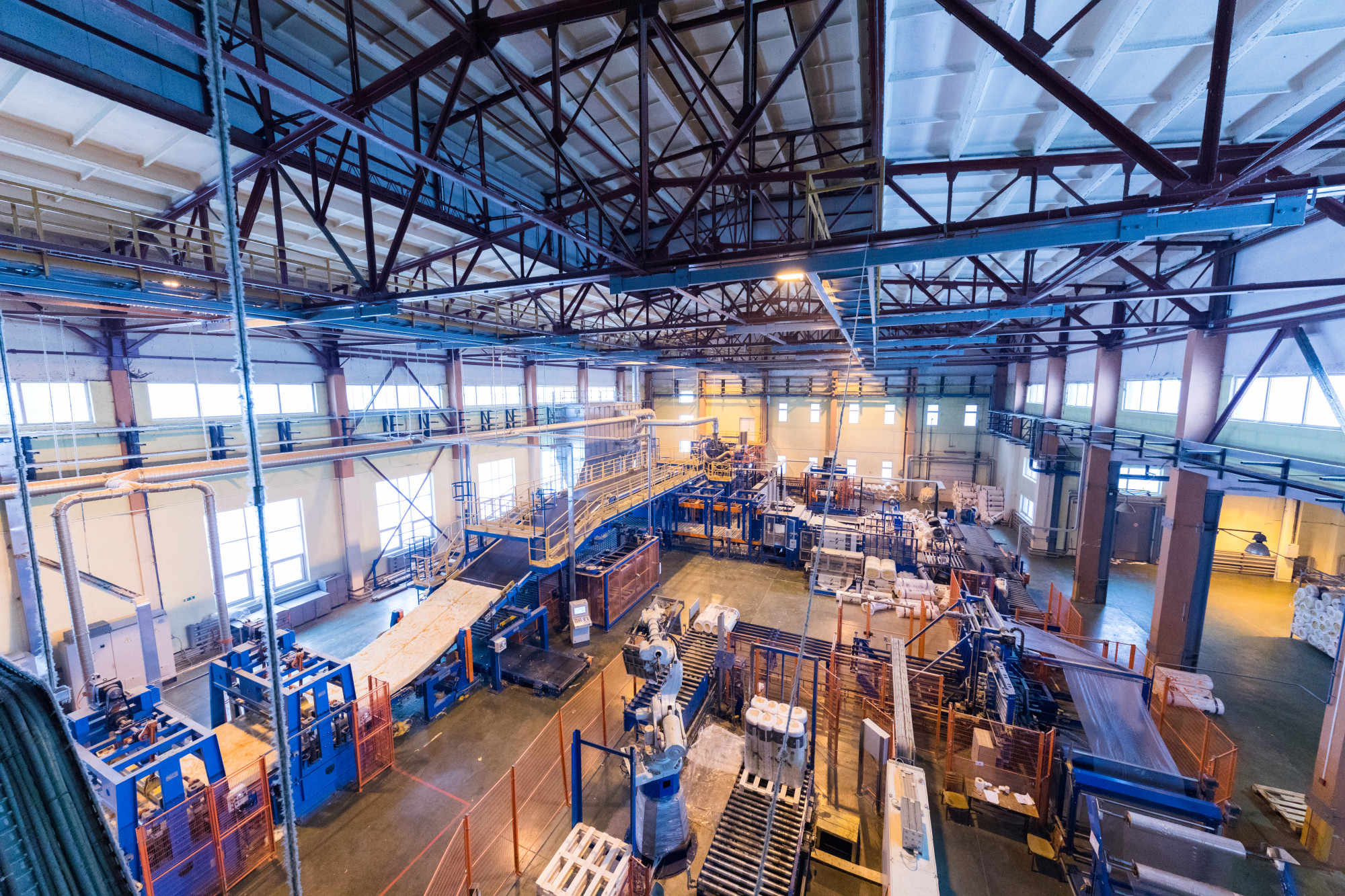
Warehouse pest control looks different than residential service because the building behaves differently. Large square footage, high ceilings, long wall runs, and dense storage create countless hiding places, while loading docks and frequent deliveries create constant entry opportunities. A one-size-fits-all approach usually misses the actual pressure points, then managers get stuck in a cycle of short-term relief followed by the same sightings.
Inventory risk is also higher in industrial spaces because pests do not just create a nuisance, they create measurable loss. Rodents can destroy packaging, contaminate product, and damage wiring, while insects can ruin stored goods, trigger customer complaints, and create audit headaches. A strong plan anticipates these risks early, then uses monitoring and prevention to keep minor issues from becoming expensive disruptions.
Consistency matters in busy facilities because different shifts notice different things, and small warning signs often get lost in daily production. A dependable pest control partner builds a system that catches issues before your team has to stop what they are doing to deal with a surprise problem. Bayou Cajun Pest Control focuses on steady prevention, documented actions, and targeted treatments that fit your operation instead of fighting against it.
Pests That Commonly Threaten Warehouses and Industrial Sites

Rodents (rats and mice)
Often enter near docks, wall penetrations, and utility lines, then travel along edges and behind stored materials.

Cockroaches
Prefer warmth and moisture, which makes break areas, mop closets, and mechanical rooms common problem zones.
Ants
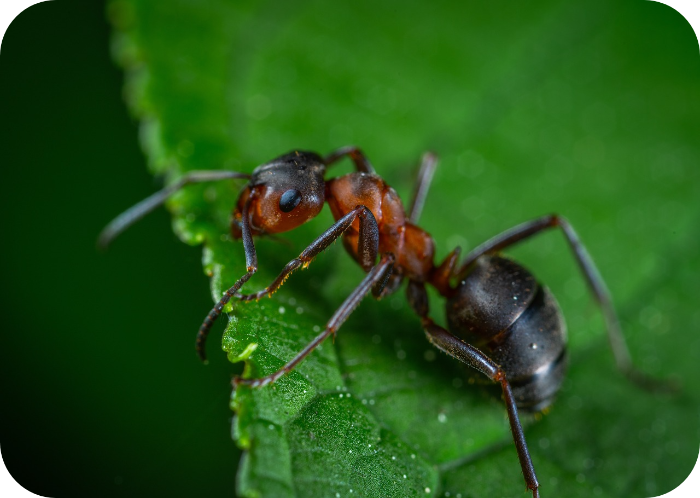
Build colonies outdoors, then forage indoors for food residue, water, and sugary spills.
Stored product pests
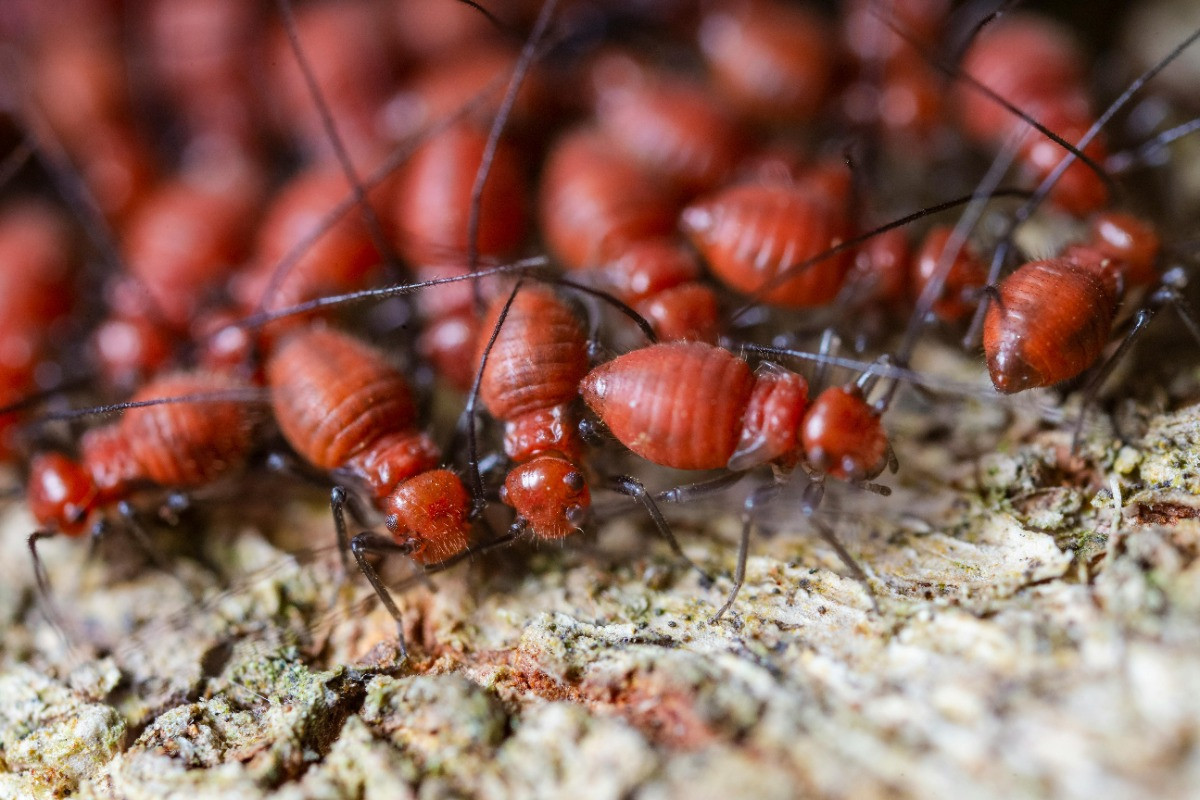
Can appear in products, packaging, or raw materials, then spread quietly through storage areas.

Flies
Develop near trash, drains, and standing water, then become a daily nuisance that signals sanitation or moisture issues.

Occasional invaders
Spiders, crickets, and other pests can move in through gaps, then build up when lighting and harborage support them.
How Pests Enter and Spread Through Large Facilities
Most pests get inside because the building is constantly opening itself to the outside world. Loading docks cycle doors all day, staff entrances open during shift changes, and overhead doors often stay cracked for airflow, convenience, or equipment movement. Every opening becomes a chance for pests to slip in, especially when exterior lighting, dumpsters, or landscaping create a comfortable staging area close to the building.
Once pests get inside, warehouses make it easy to stay hidden. Long racking aisles, shrink-wrapped pallets, and stacked product create shelter, while warm equipment rooms and quiet corners provide stable nesting conditions. Rodents can travel along walls and behind storage without being seen, while insects can settle into cracks, drains, and cluttered utility areas where quick cleanups do not always reach.
Spread happens when pressure points are not managed as a system. A single gap around a conduit, a door sweep that is worn down, or a floor drain that stays damp can support activity that grows week after week. Bayou Cajun Pest Control looks at access, food sources, water sources, and hiding areas together, which helps stop pests at the cause instead of chasing them after they move deeper into the building.
Warehouse Pest Control That Protects Inventory, Equipment, and Compliance
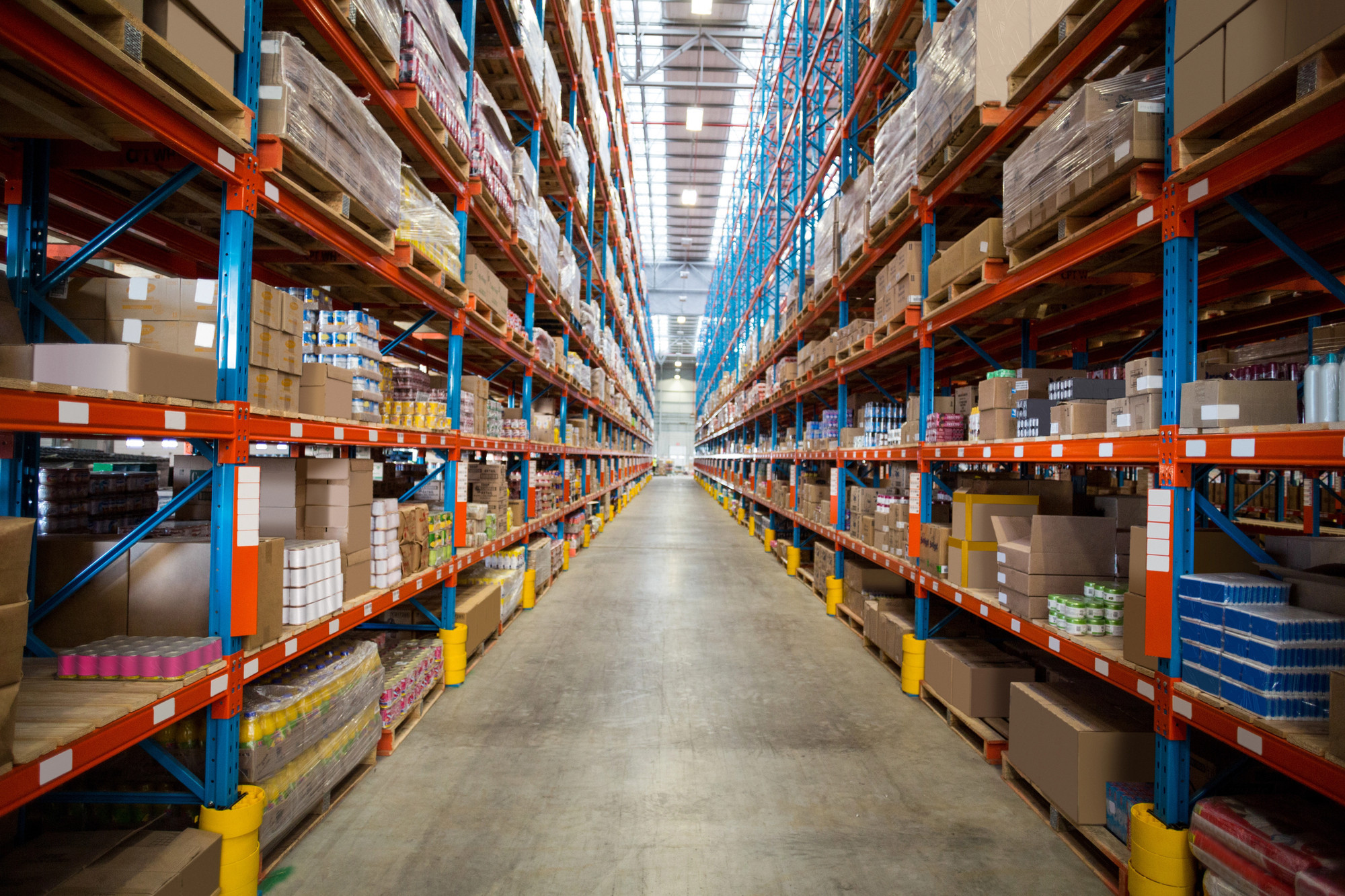
Industrial pest control has to protect more than just the space, because your inventory and your equipment are part of the risk profile. Rodent damage can mean destroyed cartons, torn insulation, and chewed wiring that creates safety hazards. Insect activity can lead to contamination concerns, rejected shipments, and uncomfortable conversations during inspections or customer visits.
A facility-friendly plan uses integrated pest management principles without turning them into buzzwords. Monitoring devices, regular inspections, sanitation recommendations, and exclusion strategies work together, because each layer reduces pressure on the others. When prevention is strong, treatments become more targeted, which helps keep operations smooth and keeps the environment more comfortable for staff.
Documentation also matters, especially for warehouses that answer to internal quality systems, third-party audits, or customer requirements. Bayou Cajun Pest Control supports industrial accounts with clear service notes and consistent reporting, which makes it easier to show what was done, why it was done, and what is being improved over time. A well-run program reduces surprises, which is exactly what managers want when they are responsible for safety, productivity, and accountability.
Targeted Treatments Built for Active Operations
Industrial spaces cannot always shut down for service, which means treatments must be chosen and applied with care. A busy warehouse needs solutions that work around shifts, equipment movement, and safety policies, while still delivering real results. Practical pest control respects the flow of work, then uses targeted methods that address activity where it actually occurs.
A good program relies on more than one tool, because pests behave differently depending on the facility and the season. Baiting, trapping, crack and crevice applications, perimeter work, and focused interior treatments each have a place, but the right choice depends on what monitoring shows and what the building layout allows. When the strategy fits the site, results feel less disruptive, and long-term control becomes more realistic.
Communication makes the biggest difference during treatment, especially when managers need to coordinate access to specific areas. Bayou Cajun Pest Control keeps service straightforward, explains what to expect, and coordinates with your team so there are no last-minute surprises. That kind of clarity protects productivity, while still handling the pest pressure in a meaningful way.
Baton Rouge, LA
Where Warehouse Managers Often Miss Risk Hotspots
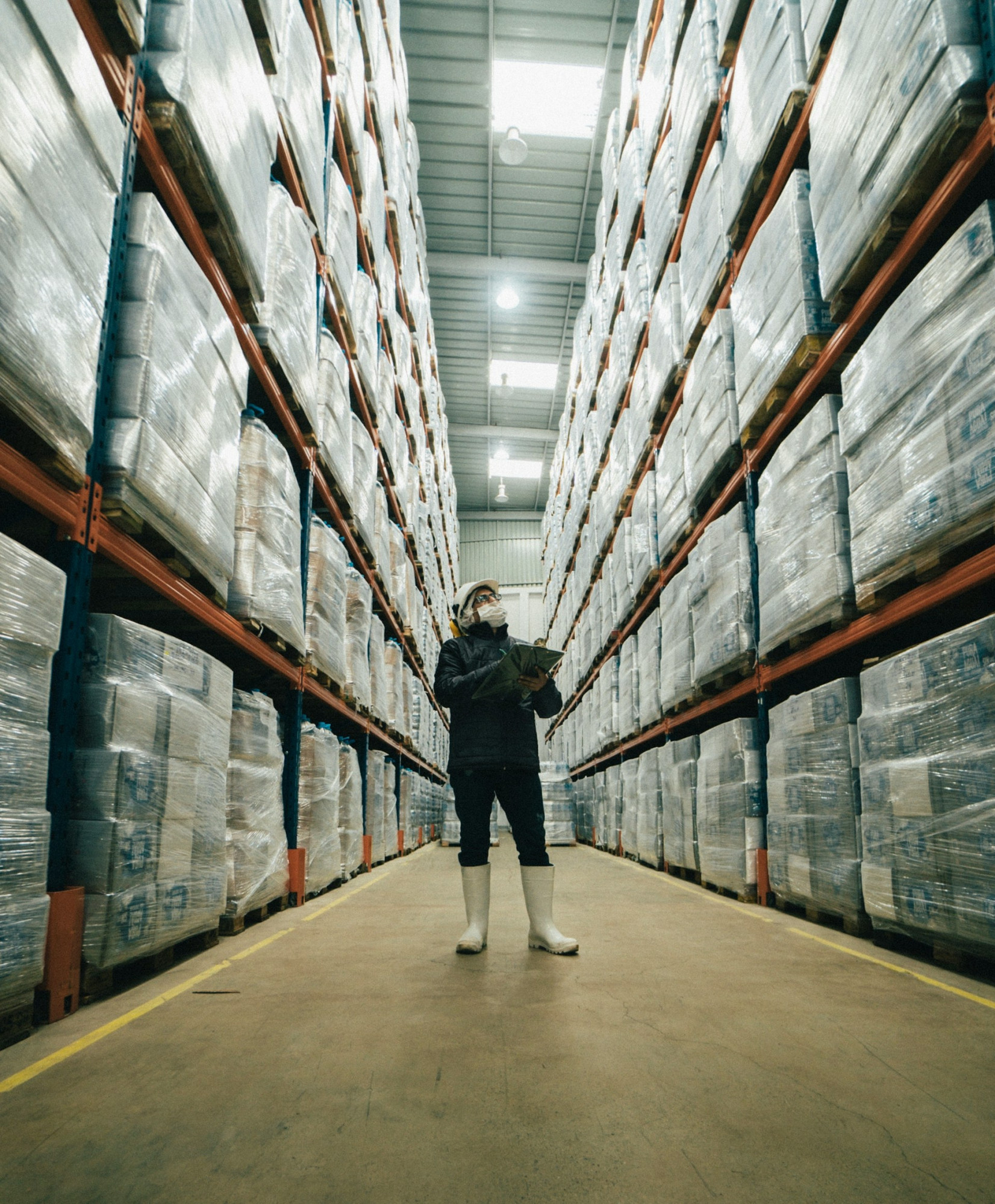
- Loading docks and door thresholds: Gaps, worn seals, and frequent traffic create steady entry opportunities.
- Break rooms and vending areas: Food debris and hidden spills support roaches, ants, and occasional rodents.
- Mop closets and floor drains: Moisture, organic buildup, and warmth create ideal conditions for flies and other pests.
- Trash compactors and dumpster zones: Odors and residue pull pests toward the building, especially after hours.
- Storage transitions: Pallets staged near walls or corners create shelter that is hard to inspect consistently.
- Mechanical rooms: Heat, pipes, and quiet space provide excellent harborage when access is limited.
A Simple Process That Keeps the Work Moving
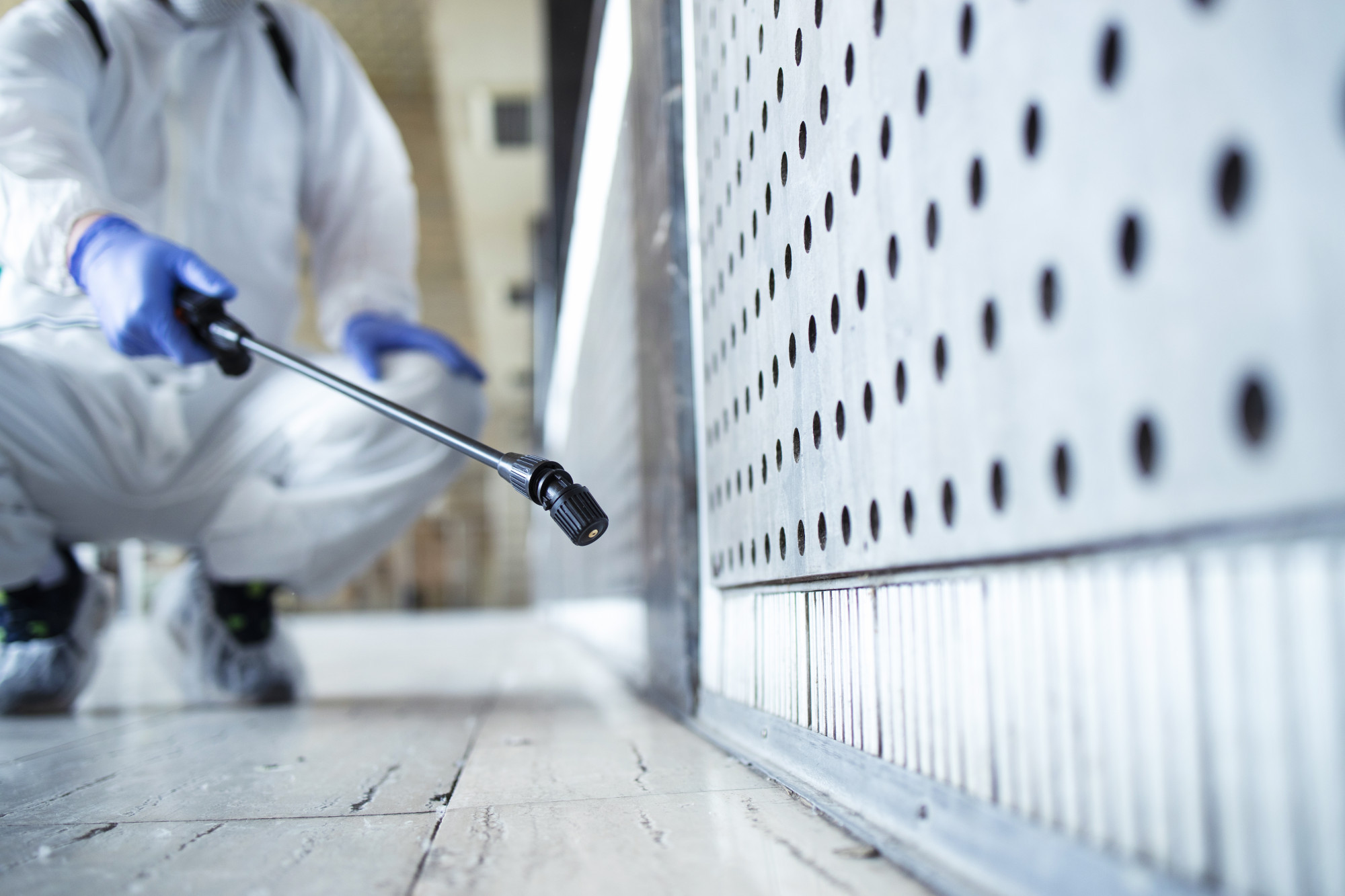
- Facility Walk-Through: A technician inspects key zones like docks, storage edges, break areas, and exterior perimeters to find activity and conditions that support pests.
- Monitoring Setup: Traps, stations, and other monitoring tools are placed where they provide meaningful data without interfering with operations.
- Exclusion and Prevention Focus: Entry points, door issues, and structural gaps are flagged, then practical recommendations are provided for sealing and prevention.
- Targeted Treatment Plan: Treatments are selected based on the pest type, activity level, and facility needs, keeping safety and workflow in mind.
- Routine Service and Trend Tracking: Regular visits maintain control, adjust placement, and track activity patterns before they become operational disruptions.
- Clear Reporting and Communication: Service notes outline what was found, what was done, and what to address next, which supports accountability and compliance.
Seasonal Pressure and Gulf Coast Facility Realities
In warmer, more humid regions, pest activity does not always follow a neat calendar. Ants, roaches, and flies can stay active for long stretches, while rodents may push indoors when conditions outside become less favorable or when food sources change. Warehouses along the Gulf Coast often face steady pressure because moisture, heat, and frequent storms create conditions pests can exploit.
Seasonal shifts still matter, even when temperatures stay mild. Heavy rain can drive pests toward drier interior spaces, while heat can increase insect breeding cycles and make moisture control more difficult in certain zones. A program that adjusts with the season tends to perform better, because it anticipates what pests will do next instead of reacting after activity spikes.
Bayou Cajun Pest Control builds warehouse and industrial pest control plans that account for these realities, including how exterior conditions influence interior activity. Monitoring trends across seasons helps determine where pressure is rising, which supports smarter adjustments in placement, prevention, and treatment. That proactive approach reduces surprises, which is the real win for managers who need stable performance.
Contact Us
Fill out the form below or call at (225) 261-4198 for a free consultation and pest analysis of your home or office.
Ready for Warehouse Pest Control You Can Trust?
Warehouse and industrial pest control should feel like a protective layer under your operation, not a constant fire drill that pulls attention away from production. A strong program keeps pests out, catches early warning signs, and supports the standards your customers expect, all while respecting the pace of your facility. Bayou Cajun Pest Control delivers that kind of support with practical strategies, clear communication, and service built for real industrial environments. Reach out today to schedule a facility walk-through and get a plan that protects your inventory, your equipment, and your peace of mind.