24/7 Live Customer Service
CALL OR TEXT (225) 261-4198

All Blog Posts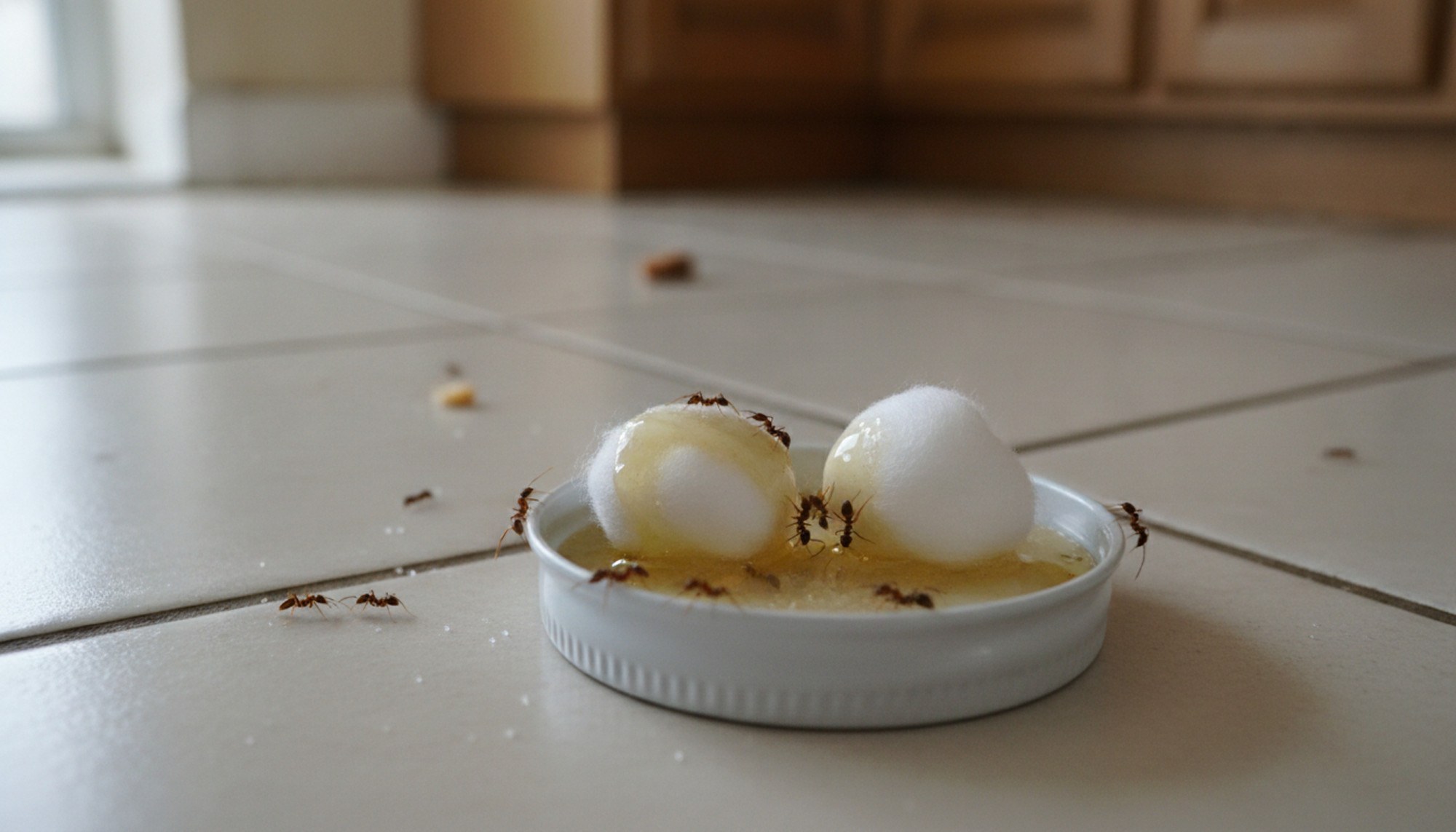
Blog Post
Understanding the Risks of DIY Pest Control and When To Call a Professional
Most people do not call a pest control company the first time they see one ant, one roach, or one strange bug near the back door, and honestly, that makes sense. When something small shows up, the natural reaction is to wipe down the counter, grab a spray from under the sink, set out a trap, or search online for a quick fix that might keep the problem from turning into something bigger.
Bayou Cajun Pest Control understands why homeowners want to try simple fixes before calling for help, but it also knows how quickly a small pest issue can become frustrating when the wrong treatment is used or the real cause is missed. Knowing where DIY pest control helps, where it falls short, and when professional service is the smarter choice can save you time, money, and a lot of aggravation.
DIY Pest Control Can Help With Small, Obvious Problems
There are times when DIY pest control is completely reasonable. If a few ants appear after a sticky spill, fruit flies gather around overripe bananas, or the occasional outdoor bug wanders inside after a rainstorm, simple household steps may be enough to correct the issue.
Cleaning up food residue, storing pantry items in sealed containers, taking trash out regularly, fixing small moisture problems, and sealing obvious gaps can all make your home less attractive to pests. These habits are not glamorous, but they do matter, and they often support better results whether you handle a minor issue yourself or eventually call a professional.
The important thing is to watch what happens next. A small pest issue should get better fairly quickly once the attraction is removed, but if pests keep returning, spread to new rooms, show up at different times of day, or appear in larger numbers, the situation may be more complicated than it first looked.
What You See Is Not Always the Whole Problem
One of the biggest risks of DIY pest control is that it usually focuses on the pests you can see, even though many pest problems begin in places you cannot easily inspect. Ants may be trailing from a colony outdoors, roaches may be hiding behind appliances or inside wall voids, and rodents may be using a gap near the roofline long before you hear them moving around at night.
This is why a quick spray can feel satisfying but still fail to solve anything long term. The visible pests disappear for a day or two, the house feels calmer, and then the same problem comes back because nothing changed where the pests were nesting, feeding, or entering.
Professional pest control is different because it starts with the larger picture. A technician is not only asking, “How do we get rid of what is here today?” They are also asking, “Why are these pests here, where are they coming from, and what needs to change so they do not keep coming back?”
Store-Bought Products Are Easy To Misuse
Most homeowners do not misuse pest control products on purpose. They simply want the problem gone, and when the first application does not seem to work, it is tempting to spray more, apply products in more places, or combine treatments that were never meant to be used together.
That can create real problems. Some products are designed only for outdoor use, some should never be applied near food preparation areas, and some need to be kept away from children and pets until the treated area is safe. Using more than the label allows does not make the treatment better; it usually just increases the chance of unnecessary exposure.
There is also the issue of placement. A product used in the wrong area may do very little against the pest while still creating odor, residue, or safety concerns inside the home. Pest control is not just about having a product in your hand; it is about knowing how the product works, where it belongs, and whether it is even the right choice for that pest.
Some DIY Treatments Can Scatter Pests
Not every pest reacts the same way when treated, and this is one reason DIY pest control can backfire. In some cases, the wrong product may not eliminate the infestation, but it may push pests deeper into hiding or cause them to spread into new areas.
Roaches are a common example. A spray may kill the ones you see, which feels like progress, while others move farther into cracks, cabinets, appliances, or wall spaces where they become harder to reach.
Ants can also become tricky when treated incorrectly. Depending on the species and the situation, spraying a visible trail may disrupt the activity you see while leaving the colony alive, and in some cases, it may cause the ants to relocate or show up somewhere else in the home.
Rodents create a different kind of problem. If you trap or bait a few mice but never find how they entered, the home remains open to the next group, which means you may feel like you are solving the same problem over and over.
Correct Pest Identification Matters
It is easy to assume a bug is “just an ant” or “just a roach,” but pest identification can change the entire treatment plan. Carpenter ants are handled differently than small nuisance ants, termites are not treated like flying ants, and pantry pests are not the same as drain flies, fruit flies, or fungus gnats.
A wrong guess can cost valuable time. If a pest is damaging wood, contaminating food, reproducing quickly, or nesting somewhere hidden, spending several weeks on the wrong treatment can allow the problem to grow while the homeowner thinks they are making progress.
This is one of the biggest advantages of calling a professional. Bayou Cajun Pest Control can identify the pest, explain what that pest is likely doing, and recommend a treatment approach based on its behavior rather than a guess from a quick glance.
Health and Safety Concerns Should Be Taken Seriously
Some pest problems are more than annoying. Roaches can contaminate surfaces, rodents can leave droppings and chew materials, mosquitoes can make outdoor areas miserable, and stinging insects can create serious concerns around patios, porches, entryways, sheds, and play areas.
Even pests that are not usually dangerous can still affect how comfortable you feel in your own home. It is hard to relax when you are hearing scratching in the attic, seeing roaches in the kitchen at night, finding ants near pet bowls, or wondering whether a wasp nest is going to become a bigger problem before the weekend.
If pests are showing up near food, beds, children’s rooms, pet areas, or places where your family spends a lot of time, it is reasonable to stop experimenting and get help. Peace of mind matters, and a professional inspection can often give you a clearer answer than another round of guessing.
Moisture, Food, and Access Are Usually Part of the Story
Pests do not show up for no reason. They are usually looking for food, water, shelter, or a way out of harsh outdoor conditions, and if your home gives them what they need, they may keep returning no matter how many pests you remove.
A dripping pipe under a sink can support roach activity. Crumbs behind appliances can attract ants. Standing water outside can support mosquitoes. Loose weatherstripping, torn screens, gaps around pipes, or openings near the foundation can give pests an easy path inside.
This is where DIY treatments often fall short, because they deal with the pest after it appears instead of the conditions that made the home appealing. A professional can look for those contributing factors and help you understand which changes will support better long-term control.
When Should You Stop Trying DIY Methods?
A good rule is to pay attention to repetition. If you have tried a reasonable DIY step and the pests keep coming back, that is a sign that the issue may be larger than what you can see.
You should also call a professional if activity is spreading. Ants that started in the kitchen and then appeared in the bathroom, roaches that are showing up in multiple rooms, or rodent sounds that seem to move through the walls or attic may point to a problem that needs a more complete plan.
There are also pests that are better handled professionally from the start. Rodents, termites, large roach infestations, aggressive stinging insects, recurring mosquito problems, and pests that may affect health, safety, or property damage should not be treated as simple weekend projects.
Professional Pest Control Is Not Just Stronger Chemicals
A lot of people assume professional pest control means someone shows up with stronger spray, treats the house, and leaves. In reality, good pest control is much more thoughtful than that.
A professional service may include inspection, pest identification, targeted treatment, baiting, trapping, exclusion recommendations, sanitation guidance, follow-up planning, and prevention advice. Depending on the pest, the best approach may use less product than a homeowner expects because the treatment is placed more carefully and supported by a better understanding of the pest’s behavior.
The goal is not to cover the home in chemicals. The goal is to use the right method, in the right place, for the right reason, while helping reduce the conditions that allowed the pest problem to develop.
DIY Pest Control Can Become More Expensive Than It Looks
At first, DIY pest control feels cheaper. A spray, trap, fogger, bait, or home remedy may cost less than a service call, and when the problem looks minor, that seems like a fair trade.
The cost changes when the first product does not work, then the second one only helps for a few days, and then the problem spreads. By the time a homeowner has bought several products, spent hours treating the same areas, cleaned up repeated pest activity, and worried about whether the infestation is growing, the “cheap” option may not feel cheap anymore.
There can also be hidden costs if pests damage insulation, chew wiring, contaminate stored food, nest in difficult areas, or create conditions that require deeper cleanup. Calling earlier can sometimes prevent a manageable problem from turning into a larger one.
What Should You Do Before Calling a Pest Control Company?
You do not need to have all the answers before calling Bayou Cajun Pest Control. That is what the inspection is for.
It does help, though, to notice a few details. Where are you seeing the pests? When do they show up? Are they near food, water, doors, windows, drains, the attic, the garage, or the yard? Have you tried any products already? Did the problem improve, stay the same, or move somewhere else?
Those details can help the technician understand the pattern faster. Pest control is often a bit like solving a household mystery, and the things you have noticed are useful clues.
Homeowners Still Play an Important Role
Calling a professional does not mean the homeowner has no part in the solution. In fact, the best results often come when the technician and homeowner work together.
A pest control plan may work better when food is sealed, clutter is reduced, trash is managed, pet food is picked up at night, standing water is removed, and recommended repairs are handled when possible. These steps are not meant to blame the homeowner; they simply make the home less welcoming to pests.
Think of it this way: the professional treatment helps control the pest problem, while good prevention habits help make sure the pests have fewer reasons to return.
Bayou Cajun Pest Control Helps Take the Guesswork Out of the Problem
When pests show up, it is easy to feel like you should already know what to do, but most homeowners are not trained to identify pests, track entry points, understand nesting behavior, or choose between different treatment methods. That is exactly why professional help exists.
Bayou Cajun Pest Control helps homeowners understand what they are dealing with and what can be done about it. Whether the issue involves ants, roaches, rodents, mosquitoes, spiders, stinging insects, or another unwanted pest, the goal is to provide practical guidance and effective service without making the process feel overwhelming.
A good pest control visit should leave you with more than a treated area. It should leave you with answers, a plan, and a clearer sense of how to protect your home moving forward.
Know When To Call for Backup
DIY pest control has its place, especially when the problem is small, simple, and tied to something obvious. There is nothing wrong with cleaning, sealing, monitoring, and trying a basic fix when the situation truly appears minor. The problem comes when DIY turns into a cycle. If pests keep coming back, products are not working, activity is spreading, or you are worried about safety, it is time to call a professional.
Bayou Cajun Pest Control is here to help when the problem needs more than a quick spray or a guess from the internet. With the right inspection, the right treatment plan, and the right prevention steps, your home can feel comfortable again, and you can stop wondering what might be hiding just out of sight.