24/7 Live Customer Service
CALL OR TEXT (225) 261-4198

All Blog Posts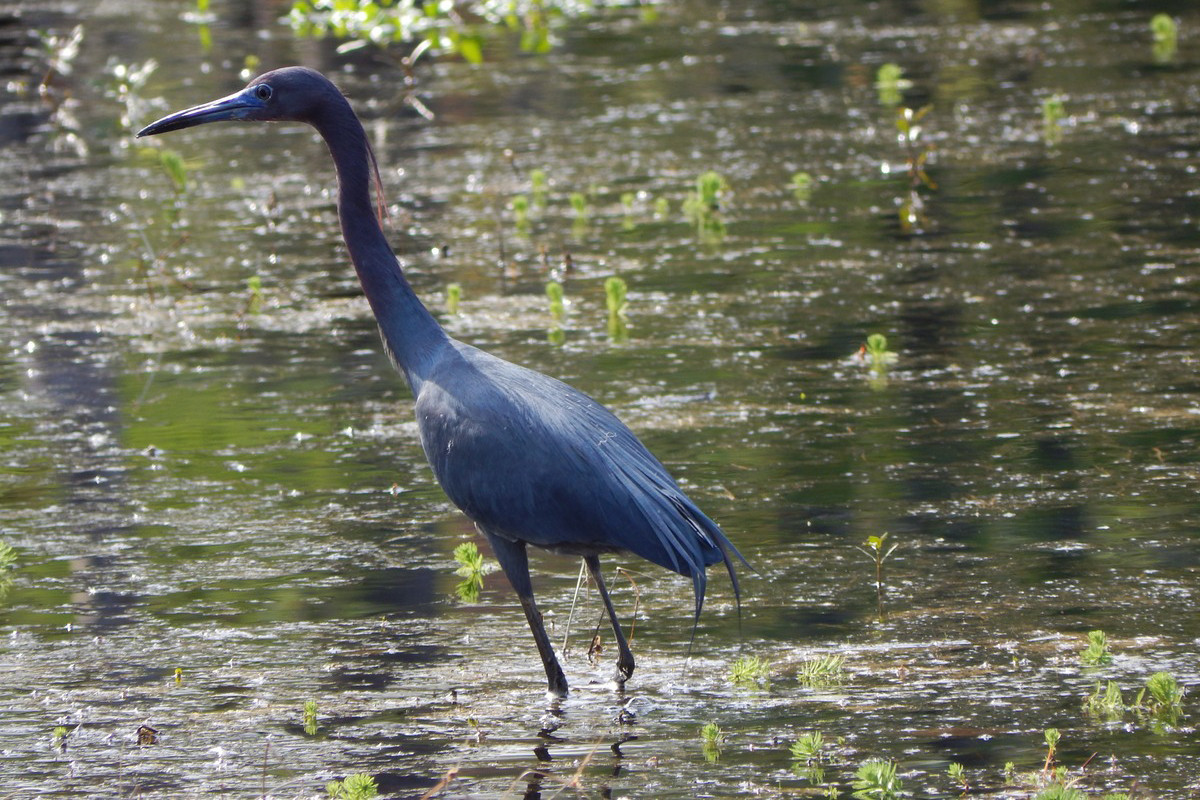
Blog Post
The Impact of Local Wildlife on Pest Populations in Louisiana
Louisiana’s landscapes create a rich backdrop for both wildlife and pests, shaping an ecosystem where each species influences another in noticeable ways. Homeowners often experience these connections firsthand when shifts in local wildlife begin to affect pest activity around their properties. The relationship may not always be obvious at first, although its effects can be profound. This blog explores how native species influence pest populations throughout Louisiana, helping you better understand the natural forces at work around your home. As always, Bayou Cajun Pest Control uses this ecological insight to create targeted and effective pest management strategies.
Why Louisiana’s Ecosystem Shapes Pest Activity So Strongly?
Louisiana’s wetlands, pine forests, bayous, and urban corridors create habitats that support a remarkable array of wildlife, which in turn influences the behavior and spread of local pests. These environments provide breeding grounds, shelter, and food sources that allow pests to flourish when wildlife patterns shift. This dynamic creates ongoing changes that occur seasonally and sometimes unpredictably, resulting in pest populations that can rise rapidly if environmental balances become disrupted.
Seasonal storms, drought periods, and rising temperatures can also influence how wildlife interacts with pests. Local species respond to environmental stressors by moving into new areas, altering food habits, or expanding their territories, which often allows certain pests to take advantage of newly created gaps or weakened predator numbers. The ecosystem never remains static, which is why understanding these patterns helps both homeowners and pest professionals plan the most effective strategies for year-round protection
Predators That Keep Pest Populations in Check
Natural predators play an important role in controlling many of Louisiana’s most common pests because they create a living barrier that limits pest outbreaks. Birds, snakes, lizards, frogs, and even larger mammals eat a surprising proportion of insects and rodents. Their presence can reduce the number of pests that attempt to enter homes or build colonies around residential properties.
Owls and hawks are two of the most influential avian predators in the region, partly because they target rodents that would otherwise breed rapidly around neighborhoods. Snakes such as rat snakes and kingsnakes also consume large amounts of mice and rats, which helps prevent infestations long before they reach noticeable levels. Frogs and lizards commonly eat mosquitoes, flies, ants, and roaches, contributing further to natural population control that benefits homeowners.
What Happens When Predator Populations Decline?
Declines in native predators often produce a ripple effect that allows pests to multiply with fewer limitations. These declines may occur due to habitat loss, environmental contamination, roadway deaths, or severe weather events that temporarily reduce wildlife numbers. Ecologists often see a rapid rise in rodents or mosquito populations following disruptions to predator habitats because pests reproduce quickly under favorable conditions.
Human activity can sometimes worsen these declines unintentionally by removing natural shelters, applying broad-spectrum chemicals in sensitive areas, or encouraging invasive species that displace native predators. The result is an environment where pests spread more freely, creating challenges that reach well beyond seasonal nuisances. When predators no longer control these populations, the responsibility shifts heavily toward professional pest management, which must adapt quickly to the new conditions.
The Role of Invasive Species in Pest Fluctuations
Invasive wildlife species have become an increasingly powerful force in Louisiana’s ecosystem because they alter long-standing ecological relationships. Nutria, feral hogs, and invasive bird species disrupt habitats, damage vegetation, and displace native species that once kept pests more balanced. Their presence changes where pests travel, feed, and nest, leading to population swings that catch many homeowners by surprise.
Nutria, for example, damage wetlands by eating vast amounts of vegetation, which reduces the natural cover that many small predators rely on. Feral hogs uproot soil and disturb ground nests of insect-eating wildlife, shifting pest numbers in ways that encourage new infestations. These invasive species move aggressively through landscapes, reshaping ecological patterns that once helped regulate pest populations organically.
How Birds Influence Louisiana’s Pest Cycles
Birds play a significant role in pest control across Louisiana because insect-eating and rodent-eating species consume large quantities of pests daily. Small songbirds reduce populations of spiders, flies, and caterpillars, while larger raptors target rodents that would otherwise spread into homes or businesses. These relationships help stabilize local pest activity by reinforcing natural checks and balances.
Shifts in bird migration or nesting habits often affect pest trends too. Storm damage, food shortages, or habitat development can push birds into new territories or reduce their numbers temporarily. Pests then take advantage of the diminished pressure because fewer predators means more freedom to reproduce and expand. Homeowners may notice these changes through sudden mosquito surges, increased rodent sightings, or higher ant activity.
How Bats Contribute to Pest Reduction at Night
Bats consume an impressive number of insects, especially mosquitoes and night-flying pests that become active after sunset. Their feeding patterns act as a natural nighttime filter that limits pest activity in areas where bat populations remain healthy. This relationship benefits homeowners significantly by controlling pests that would otherwise target outdoor gatherings or attempt to enter homes during the late hours.
Shifts in bat populations can lead to noticeable increases in mosquito numbers because bats often feed in dense groups that cover large areas. Diseases, habitat loss, and structural disturbances may cause colonies to relocate, which leaves neighborhoods more vulnerable to nighttime pests. Professional pest control becomes especially important when natural predators retreat, since mosquitoes breed aggressively in Louisiana’s humid environment.
The Influence of Reptiles and Amphibians on Pests
Reptiles and amphibians offer an often overlooked layer of pest protection because they target insects and small rodents as part of their daily feeding habits. Lizards commonly eat roaches, spiders, and flying insects, while frogs consume mosquitoes, gnats, and other moisture-loving pests that thrive in shaded or water-rich spaces. Snakes play a larger role by reducing rodent populations that can spread disease or damage household structures.
Habitat changes can dramatically reduce these helpful species, which leads to more pests settling around homes. Landscaping projects, yard debris removal, and property development sometimes remove hiding places or water sources that amphibians and reptiles depend on for survival. Pest populations then rise because these subtle predators no longer patrol the areas where they previously kept insects and rodents under control.
How Mammals Affect Pest Activity in Neighborhoods
Wild mammals can influence pest populations in both positive and negative ways because their behaviors shape how pests find shelter or food. Raccoons, opossums, and foxes sometimes help reduce pests by targeting insects or rodents that gather around human structures. Their scavenging patterns also remove food sources that pests would otherwise exploit, indirectly limiting pest breeding around homes.
Some mammals, however, unintentionally increase pest activity by damaging insulation, invading attics, or creating burrows that become prime nesting sites for insects. Rodent populations surge when larger mammals disturb territories or leave behind accessible waste, creating overlapping pest problems that spread quickly. Homeowners often see more pests during seasons when mammals move closer to residential areas in search of food or warmth.
Seasonal Wildlife Movements and Their Effect on Pests
Seasonal changes influence wildlife patterns across Louisiana, which in turn causes shifts in pest behavior. Heavy rains drive pests out of the ground, while cooler temperatures push rodents toward homes for warmth. Wildlife responds to these conditions through migration or behavioral changes, which sometimes lessen natural predator activity at the exact moment when pests become more aggressive.
Hurricanes and tropical storms create even more dramatic changes because they disrupt animal populations and destroy habitats that restricted pest movement. Mosquitoes breed explosively after large storm events because standing water remains widespread, while predators may take weeks or months to return to their normal territories. The imbalance becomes a perfect environment for pests to overpopulate.
How Human Activity Shapes Wildlife-Pest Dynamics
Human development influences wildlife-pest relationships by reshaping landscapes in ways that encourage some species while discouraging others. Clearing land for neighborhoods removes natural predators, while artificial lighting changes insect activity around homes. Waste management habits influence rodent behavior, attracting or repelling wildlife that previously helped regulate pests.
Suburban expansion also pushes wildlife toward residential zones where they compete for space with pests. Some predator species adapt well to these environments and continue offering natural pest control, while others decline quickly due to noise, traffic, or loss of habitat. These changes can produce pest challenges that require consistent monitoring and professional intervention to maintain safe and comfortable living conditions.
Signs That Wildlife Imbalances Are Affecting Your Property
Homeowners often notice wildlife-driven pest changes through subtle signs that appear before major infestations occur. Increases in mosquito bites, rodent droppings, or ant trails may indicate that natural predators have shifted away from the area. Property damage such as chewed wiring, ground disturbances, or missing vegetation can also signal changes in local wildlife behavior that lead to elevated pest activity.
Audible changes can be telling too. A decrease in frog calls during summer evenings, fewer birds visiting feeders, or lower bat sightings at dusk often correspond with rising pest numbers. These signals help homeowners identify when to take proactive action before pests escalate into disruptive or hazardous infestations.
How Pest Professionals Use Wildlife Knowledge To Protect Homes
Pest control experts pay close attention to Louisiana’s wildlife dynamics because understanding how predators and pests interact allows for more strategic treatment plans. Knowing when wildlife populations decline helps technicians anticipate where and when pests will multiply. This awareness creates a significant advantage because it encourages preventive solutions rather than reactionary treatments.
Technicians also use wildlife behavior to locate pest entry points, nesting sites, or breeding zones. Knowledge of animal travel paths helps professionals identify patterns that homeowners may not notice, allowing treatments to target the root cause rather than only the symptoms. This method produces long-lasting results that help homeowners maintain cleaner, safer environments.
Why Proactive Pest Management Matters in a Wildlife-Rich State
Living in a region with abundant wildlife means pest control must remain proactive rather than reactive. Pest populations can surge unexpectedly when ecological balances shift, leaving homeowners with limited time to respond. Ongoing protection becomes essential because seasonal changes, wildlife movements, and weather events all influence pest pressures throughout the year.
Professionals take these fluctuations into account by building preventive plans that prepare for inevitable changes in pest behavior. Treatments adjusted around wildlife cycles often reduce infestations more effectively because they address emerging problems before they become overwhelming. This approach keeps homes more resilient no matter how Louisiana’s dynamic ecosystem evolves.
Choosing Bayou Cajun Pest Control for Year-Round Protection
Homeowners who understand Louisiana’s wildlife patterns gain a clearer picture of why pests behave the way they do, yet professional support remains vital for effective and reliable protection. Bayou Cajun Pest Control stays tuned to the region’s ecological shifts, applying this knowledge to create customized treatments that stop infestations early. Your home deserves protection that takes every environmental factor into account, which is exactly why our team remains a trusted resource for families across Louisiana.
If you want pest control that adapts to wildlife changes, seasonal pressures, and local environmental conditions, reach out to Bayou Cajun Pest Control today. Our specialists can help you create a plan that keeps pests under control all year long while giving you peace of mind in a state where nature never stops moving.